Check how access works
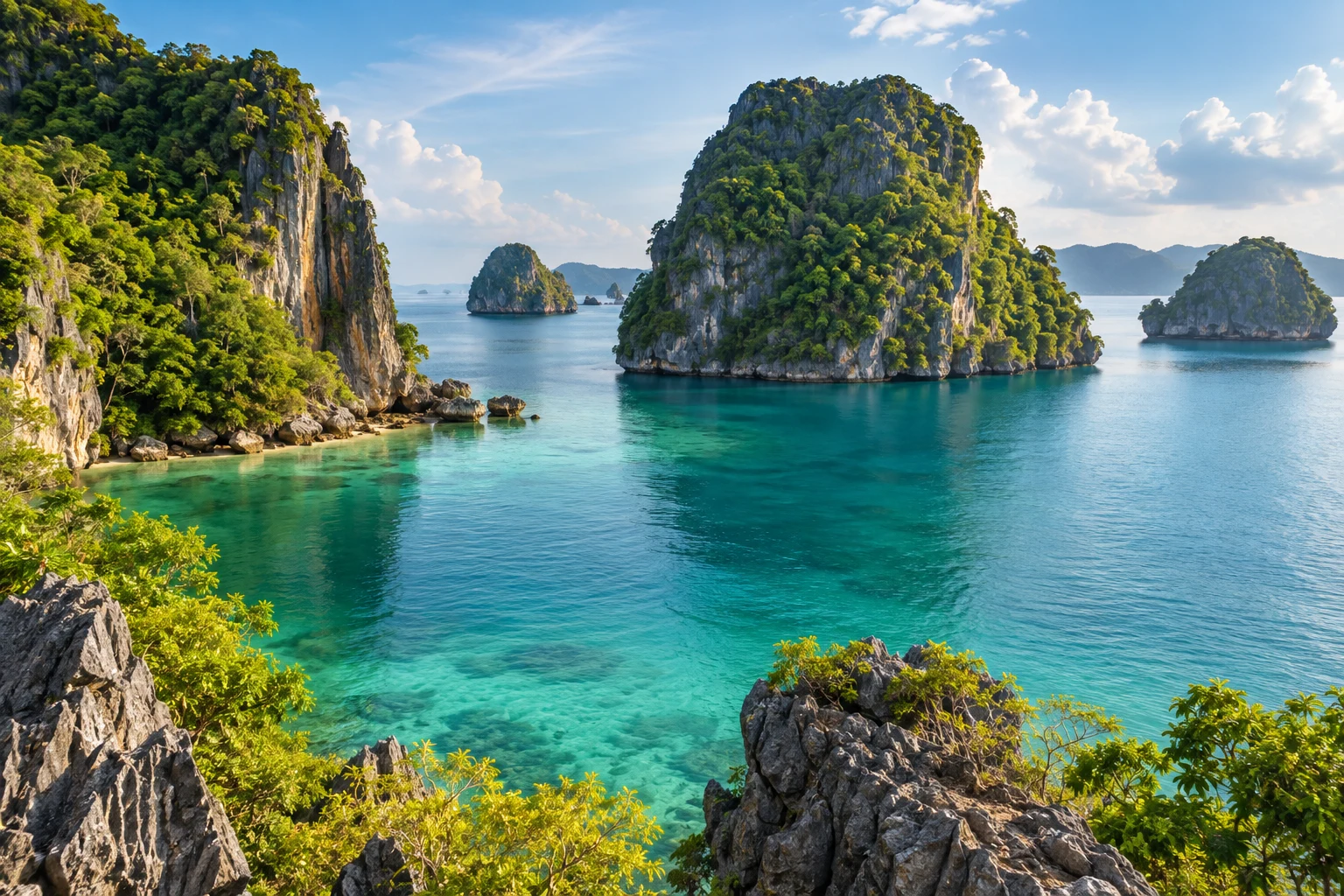
Protected areas and community-managed places may have permits, local fees or limits on visitors. Ask what applies to your itinerary and who receives any payment. Do not assume a private boat can stop wherever guests choose.
Respect people’s everyday spaces
Ask before photographing someone or entering a place that is not clearly open to visitors. Pay for local guiding and services through transparent arrangements. Avoid treating residents as part of a staged experience.
Reduce avoidable waste
Take a reusable bottle where safe refilling is available, carry a bag for rubbish and ask how waste is handled on longer trips. Remove unnecessary packaging before departure. A remote beach is not the place to leave biodegradable-looking waste either.
Follow wildlife and reef guidance
Use qualified local guides, follow site rules and do not touch, feed or chase wildlife. At Komodo, follow ranger instructions on land. Choose an operator who is willing to change an activity when conditions or access make it inappropriate.
Question environmental claims
A broad promise such as “eco-friendly” is less useful than specific information. Ask about waste handling, anchoring practices, group sizes and local partnerships. Evidence makes the claim easier to assess.
Sources & further reading
Official sources support the factual background. Comparisons, route outlines and budgeting methods are editorial suggestions. Check changing details before travelling.